
How Do I Build Backlinks for My Dentist/Orthodontic Website?
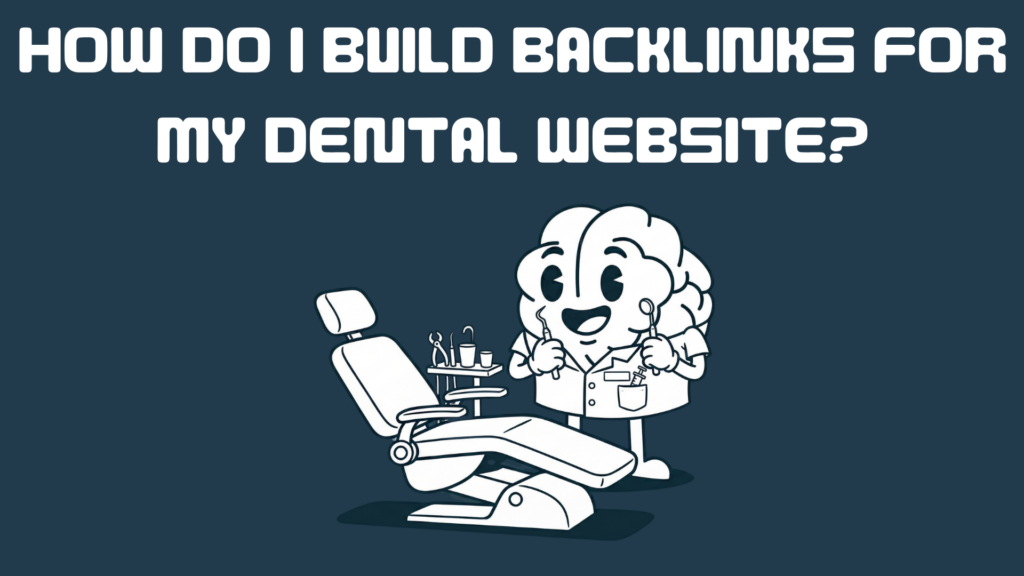
If you want your dentist or orthodontic website to rank, backlinks should not be treated like a secondary tactic. They should be one of the first things you focus on. A dental or orthodontic practice is competing against large dental publishers, local competitors, health websites, and treatment directories that may already have strong authority online.
That means your blog needs more than decent keywords and patient-friendly content. It needs relevant, trustworthy links pointing back to it. Once those links start building authority, your keyword targeting, on-page SEO, and content strategy become a lot more effective.
Off-Page SEO
Link Building Strategies
Building authority beyond on-site optimization is crucial for improving search rankings. Orthodontic websites can benefit from strategic link-building efforts and community engagement.
Use Backlink Brain to Find Dental or Orthodontic Link Opportunities
If you want a faster way to build backlinks for your dental or orthodontic site, Backlink Brain should be part of the process.
Instead of manually digging through search results, dental sites, healthcare websites, local publications, school resources, and outreach targets one by one, you can use Backlink Brain to find sites that actually make sense for a dental or orthodontic practice. That could include dental publishers, healthcare education resources, local parenting sites, school and teen wellness content, community organizations, and regional business websites where a backlink fits naturally.
That matters because random links are not nearly as useful as relevant ones. If you are trying to build authority for pages about braces, Invisalign, overbite correction, teen orthodontics, or treatment FAQs, you want links from places that already speak to those audiences.
Guest Blogging on Dental and Healthcare Websites
Writing guest posts on reputable dental blogs or healthcare sites generates valuable backlinks, signaling to Google that your content is credible. A guest post titled “The Advancements in Clear Aligners” on a high-traffic dental website can drive targeted traffic to your website.
Partnering with Dental Associations and Local Practices for Backlinks
Collaborating with local dental offices, universities, and orthodontic associations for content sharing and backlinks strengthens domain authority. Many associations welcome expertly written articles that align with their audience’s interests.
Engaging with Local Communities and Schools for Outreach
Sponsoring community events, offering educational seminars, or providing school presentations about dental health can generate local citations and backlinks. Writing a blog post about “Why Dental Health Matters for Teens” and linking to it from school websites can enhance local SEO efforts.
Leveraging Social Media to Educate and Attract New Patients
Sharing blog content on social media platforms like Facebook, Instagram, and LinkedIn drives engagement and encourages shares. Creating Instagram reels demonstrating “The Invisalign Fitting Process” or sharing testimonials on Facebook builds credibility and broadens reach.

7 Backlink Email Templates That Keep Your Inbox Full
Most backlink emails fail because they are poorly planned. This article is written to help you avoid the trash can and get more replies to build more backlinks.
On-Page SEO: Beyond Backlink Building
The Basics
Optimizing on-page elements ensures search engines understand your content while improving the user experience.
Optimizing Titles, Headings, and Meta Descriptions for Dental or Orthodontic Content
Titles and meta descriptions are the first elements users see on search engine results pages. Including primary keywords while maintaining a compelling, click-worthy headline improves both ranking and click-through rates. For instance, “Braces vs. Invisalign: Which Treatment Is Best for You?” is an engaging title incorporating SEO best practices.
Internal Linking for Establishing Topic Authority in Dentistry or Orthodontics
Internal linking helps distribute page authority across a website while improving the user experience. Linking from general blog posts, such as “What to Expect During Your First Dentist Visit,” to treatment-specific pages, like “The Benefits of Lingual Braces,” enhances navigation and topic authority, making it easier for search engines to crawl and index content.
Image SEO: ALT Text for Procedures and Before/After Photos
Since visual content plays a significant role in dental and orthodontic marketing, properly optimizing images can improve search rankings. ALT text should describe images clearly while incorporating relevant keywords. For example, “Before and after photo of a patient who completed Invisalign treatment in 12 months.”
Content Creation Tips for Higher Ranking
Content still matters, even in a backlink-focused strategy. Once your dental site starts earning stronger links, you need useful pages and articles for those links to support.
Writing Engaging, Informative Content with Patient Case Studies
Real patient experiences provide credibility and relatability. A blog post titled “How Braces Transformed Sarah’s Smile in 18 Months” that details a patient’s journey through orthodontic treatment, including before-and-after images, enhances both engagement and trust.
Using Visual Content Like Before-and-After Transformations and Explainer Videos
Videos and infographics help simplify complex orthodontic procedures. Explainer videos on “How Invisalign Works” or “What Happens During an Orthodontic Consultation” increase user engagement while keeping visitors on the site longer, which is a key ranking factor for SEO.
Sharing Tips and Guides for Common Dental & Orthodontic Concerns
Informative blog posts answering frequently asked questions, such as “Do I Have a Cavity” or “Foods to Avoid with Braces,” provide value to readers while naturally integrating keywords. Step-by-step guides and checklists also improve user engagement.
Wrapping It Up: Key Takeaways for Building Backlinks and Improving Rankings
If your main goal is to rank on Google, building backlinks for your moving website should be the first part of your strategy, not the last. Strong off-page SEO can help your website gain authority faster, especially when you combine guest posting, association partnerships, community outreach, social promotion, and targeted prospecting tools like Backlink Brain.